Koh Tao Weather

The Climate in KOH TAO

Source des données météo: météo Thaïlande aujourd'hui
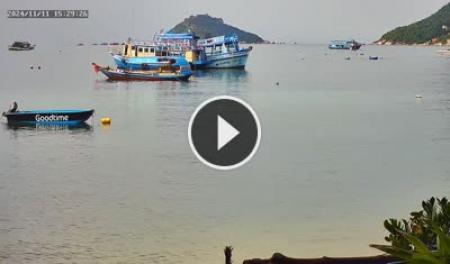
Live Webcam — Mae Haad

Live webcam over Mae Haad, Koh Tao — SkylineWebcams

Click the image to watch the live webcam over Mae Haad (via SkylineWebcams)

Koh Tao has a tropical climate, with warm temperatures and high humidity all year round. As a result, the island is indeed a popular destination for sun-seekers and water sports enthusiasts.

Dry Season (December to April)

The dry season generally runs from December to April. During this period, temperatures are pleasant, ranging from 24°C to 31°C, with sunny days and little rainfall. Consequently, visitors can make the most of the beaches and diving activities. Indeed, it’s the ideal time to explore the seabed, go snorkelling, or simply relax by the water.

Rainy Season (May to November)

The rainy season, on the other hand, runs from May to November, with September and October being the wettest months. Temperatures remain high, though the humidity can make the heat feel more intense, and rainfall can be heavy, especially in November. That said, the rain also contributes to the island’s natural beauty, keeping the vegetation lush and green.

Best Time for Offshore Trips (Sail Rock)

February to August are often considered the best months to combine dives around Koh Tao with offshore excursions such as Sail Rock, thanks to generally calm seas. In November and December, however, the sea can become too rough for these offshore trips. Diving around Koh Tao itself nonetheless remains possible and enjoyable all year round, with water that’s always warm.

In short, Koh Tao’s climate is typically tropical, with warm temperatures and high humidity throughout the year. Whether you want to dive into turquoise waters or simply relax on the beach, choosing the right time for your visit will help you make the most of everything this paradise island has to offer.
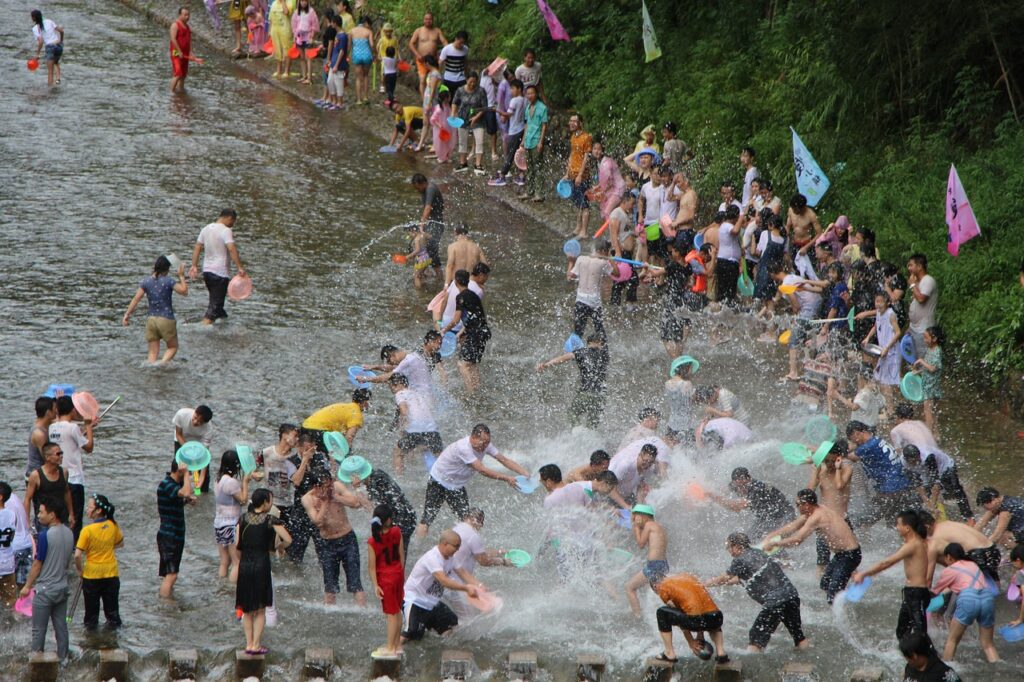

SONGKRAN: Thailand’s Water Festival

Songkran, also known as the Water Festival, is one of Thailand’s most important and joyful celebrations. It marks the Buddhist New Year and takes place every year from 13 to 15 April, although festivities can extend over several days in some regions.

Origins and Meaning

The word “Songkran” comes from the Sanskrit “saṃkrānti”, meaning “passage” or “change”. Indeed, it symbolises the sun’s passage through the zodiac, marking the start of a new year. Originally, Songkran was a period of spiritual purification: as a result, Thais would pour water over Buddha statues and onto the hands of their elders to ask for blessings and wash away the past year’s sins.

Modern Celebrations

Over the years, Songkran has evolved into the world’s biggest water fight. In the streets, locals arm themselves with water pistols, buckets and garden hoses, creating a festive, playful atmosphere. Bangkok and Chiang Mai are among the most famous cities for their celebrations, where dancing, singing and music fill the air as participants splash each other in a spirit of collective joy.

Cultural and Spiritual Rituals

Despite the festive atmosphere, many Thais indeed use this time to visit temples, make offerings and take part in religious ceremonies. They also build sand “chedis”, symbolising prosperity and renewal. Moreover, Songkran is a time for family reunions, as many people therefore return to their hometowns to celebrate with loved ones, strengthening family and community ties along the way.

In the end, Songkran is much more than just a water fight: it’s a celebration rich in tradition, culture and spirituality that captures the spirit of the Thai community and offers an unforgettable experience for locals and visitors alike.

The Best Time to Dive in Koh Tao

Koh Tao is a popular diving destination, offering a variety of conditions throughout the year. Naturally, the weather shifts from month to month. Here’s an overview of the best times to dive on this magnificent island:

The Dry Season (January to April)

  • January: Considered the start of the peak season, with a rise in diver numbers. Conditions are generally good, though popular sites can get busier.
  • February: One of the best months for diving, with excellent visibility and calm conditions. Temperatures are pleasant, making it a busy month for divers.
  • March: Conditions remain excellent, with good visibility and a decent chance of spotting whale sharks. As the hot season begins, temperatures start climbing.
  • April: Usually the hottest and driest month of the year. Diving conditions are ideal, with exceptional visibility and a high chance of whale shark encounters.

The Transition Season (May to July)

  • May: Temperatures start to ease slightly, but conditions generally remain good. It’s a quiet month, ideal for regular divers.
  • June: Marks the start of the quieter season, with fewer tourists. Diving conditions are still favourable, although the odd shower can occur.
  • July: Conditions remain good, though visitor numbers rise with the European summer holidays. Visibility is generally above average.

The Rainy Season (August to December)

  • August: Conditions can be unpredictable, with occasional showers. Some years, however, the weather stays sunny and calm.
  • September: An excellent month for whale shark sightings. Conditions are generally good, though showers are possible.
  • October: Historically a good month for diving, though late October can bring monsoon storms, with rougher seas and reduced visibility.
  • November: The heart of the rainy season. The sea can be too rough for offshore trips such as Sail Rock. Dives around Koh Tao, however, remain accessible, with the water still pleasantly warm.
  • December: Sea conditions can be unpredictable, with swells that limit offshore trips. Sites close to Koh Tao remain diveable most of the time, and it’s also a festive period with plenty of divers on the island.

Conclusion

  • Best overall conditions: January to April, with optimal visibility and the best chances of spotting whale sharks.
  • Offshore trips (Sail Rock): Possible from January to August, as the sea is generally calm enough during this period.
  • November and December: We dive at Koh Tao year-round, including during this period — the water stays warm and pleasant. The sea, however, can be too rough for offshore trips like Sail Rock. If that excursion is the priority of your trip, it’s best to plan for another time of year and ask us for advice before booking.